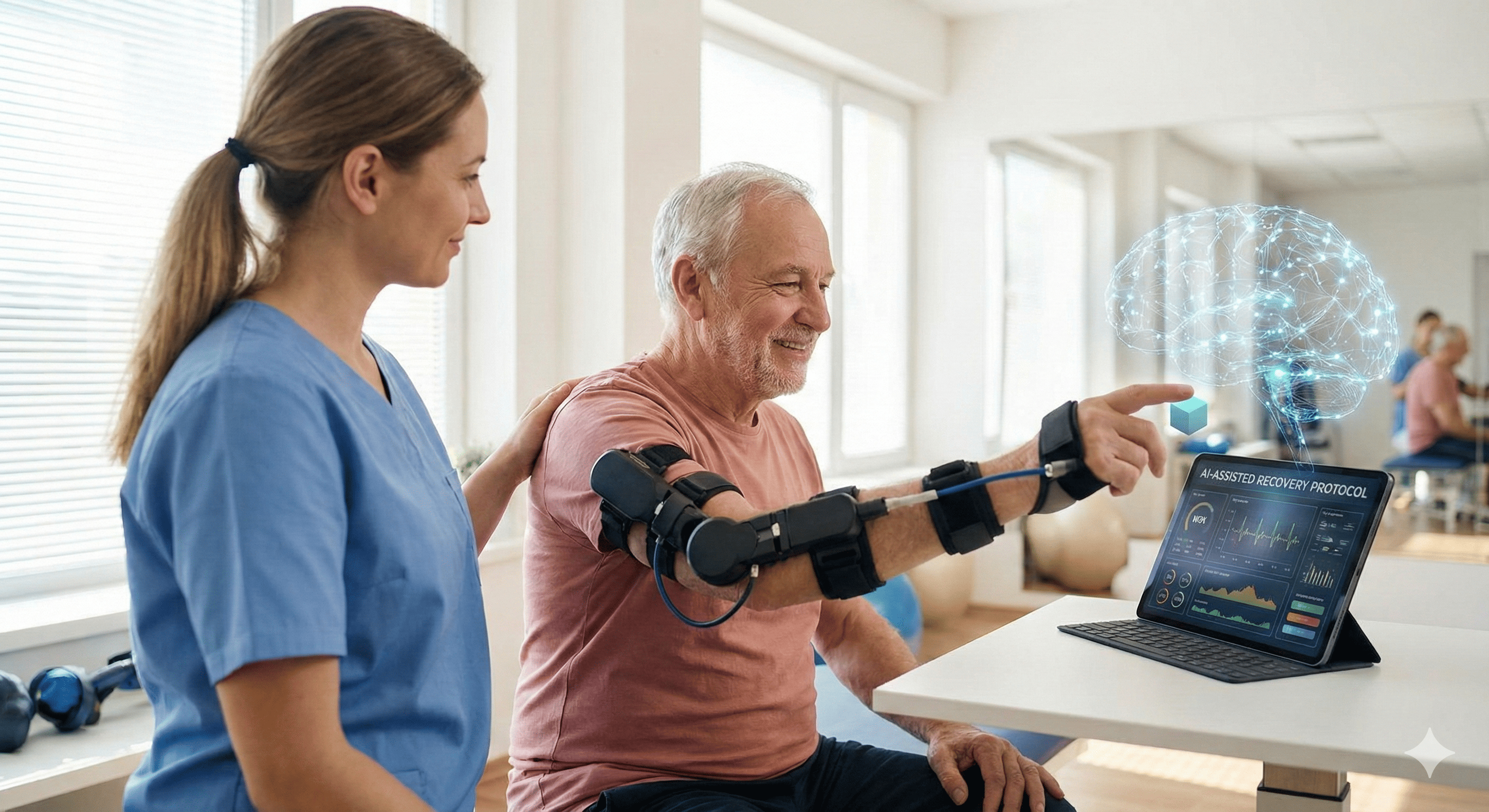
Leveraging data to predict recovery timelines and adjust therapy protocols.
Modern healthcare is increasingly driven by data-driven decision-making, allowing medical professionals to deliver more accurate, personalized, and effective treatment plans for patients. By leveraging clinical data, real-time monitoring, patient history, and advanced analytics, healthcare providers can better predict recovery timelines and continuously adjust therapy protocols to improve patient outcomes. This approach is transforming rehabilitation, post-surgical care, chronic disease management, and critical care recovery by replacing generalized treatment models with highly individualized care strategies.
Every patient responds differently to therapy and rehabilitation due to factors such as age, medical history, physical condition, lifestyle, underlying diseases, and treatment response. Through the collection and analysis of patient data—including mobility progress, pain levels, vital signs, medication response, muscle strength, sleep patterns, respiratory function, and therapy performance—medical teams can gain deeper insights into how recovery is progressing over time. These insights help clinicians make informed decisions about whether treatment intensity should be increased, modified, or slowed down to match the patient’s actual condition.
Advanced healthcare technologies such as wearable devices, remote monitoring systems, AI-powered analytics, electronic health records, and predictive algorithms now allow therapists and physicians to monitor patient recovery more accurately than ever before. Continuous data tracking enables early detection of complications, delayed healing, physical decline, or treatment inefficiencies before they become serious issues. For example, rehabilitation specialists can identify whether a patient recovering from surgery is progressing at the expected rate or whether adjustments in physiotherapy exercises, nutrition plans, respiratory support, or medication management are needed.
Predictive analytics also plays an important role in estimating recovery timelines more realistically. Instead of relying solely on generalized averages, healthcare providers can use patient-specific data to forecast expected milestones, discharge readiness, mobility improvements, and long-term rehabilitation outcomes. This helps both patients and families better understand the recovery journey while improving care coordination between doctors, therapists, nurses, and caregivers.
Data-driven therapy adjustment is especially valuable in areas such as neurological rehabilitation, orthopedic recovery, sports injury treatment, cardiac rehabilitation, ICU recovery, and chronic pain management. Personalized therapy protocols based on measurable progress often result in faster recovery, reduced hospital readmissions, improved patient engagement, and better overall quality of life.
As healthcare continues to embrace digital transformation, the integration of data analytics into patient care represents a major advancement toward precision medicine and personalized rehabilitation. Leveraging data is not simply about collecting numbers—it is about turning real-time health information into actionable clinical decisions that enhance recovery, improve efficiency, and deliver safer, smarter, and more responsive healthcare experiences for every patient.