How remote monitoring technology is reducing hospital readmission rates by 40%.
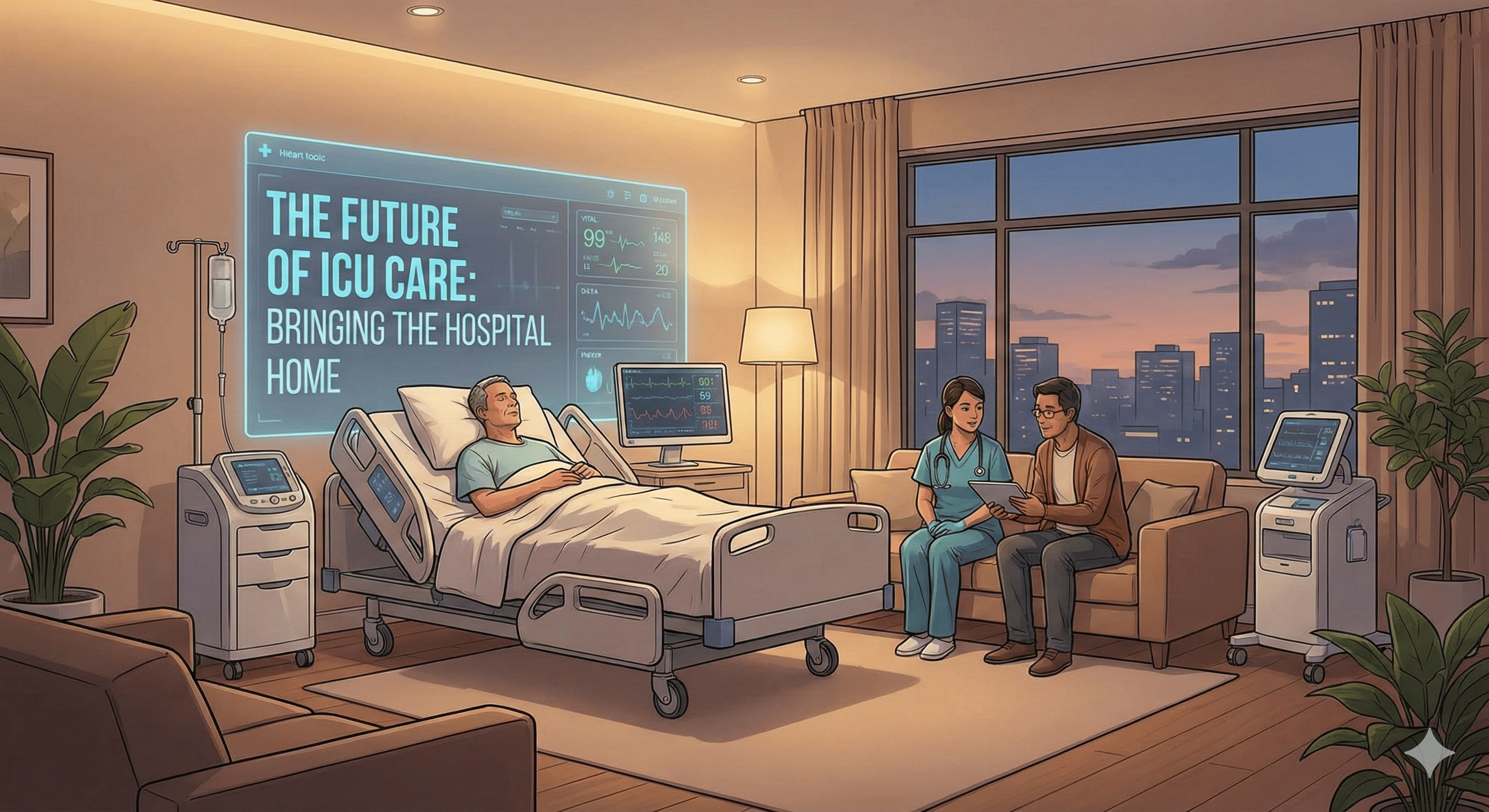
The future of ICU care is rapidly evolving beyond the walls of traditional hospitals. With advancements in medical technology, remote monitoring systems, telemedicine, and specialized home healthcare services, critically ill patients can now receive high-quality intensive care support from the comfort of their own homes. This innovative approach, often referred to as “Hospital at Home” or “Home ICU Care,” is transforming the healthcare experience by combining advanced medical treatment with the emotional comfort and familiarity of home.
Home-based ICU care is designed for patients who require continuous medical supervision, post-surgical recovery support, respiratory assistance, ventilator management, cardiac monitoring, or long-term critical care. Highly trained doctors, nurses, physiotherapists, and caregivers work together to deliver personalized treatment plans using modern portable medical equipment such as oxygen concentrators, cardiac monitors, infusion pumps, BiPAP/CPAP machines, and ventilators. Real-time digital monitoring and teleconsultation systems also allow healthcare professionals to track a patient’s condition closely and respond quickly in emergencies.
One of the biggest advantages of bringing ICU care home is the improved quality of life for patients and families. Being surrounded by loved ones in a familiar environment can significantly reduce stress, anxiety, and emotional trauma often associated with long hospital stays. Patients frequently experience better sleep, improved mental well-being, and faster recovery outcomes when treated at home. Families also gain greater involvement in the healing process while avoiding the burden of repeated hospital visits and overcrowded healthcare facilities.
In addition to emotional and physical benefits, home ICU care can also help reduce healthcare costs without compromising the quality of treatment. Hospitals can reserve critical beds for emergency and acute cases, while stable patients continue receiving expert care safely at home. This model is particularly beneficial for elderly patients, individuals with chronic illnesses, rehabilitation cases, and patients recovering after major surgeries or prolonged ICU admissions.
As healthcare continues to embrace digital transformation and patient-centered care, the concept of ICU-level treatment at home is expected to become an essential part of modern medicine. The future of critical care lies in creating safer, smarter, and more compassionate healthcare solutions that prioritize both medical excellence and human comfort. Bringing the hospital home is not just a trend—it represents a new era of accessible, personalized, and technology-driven intensive care.